
 30 Apr 2026
 Dr. Prateek
- Share
Understanding Hair Grafts and How They’re Calculated
When you start exploring hair transplant options, one term you’ll hear again and again is “grafts.”
But what exactly is a hair graft?
How are grafts calculated?
And why does the right graft count matter so much for natural-looking results?
Let’s break it down in a simple, honest way so you can make an informed decision.
What Is a Hair Graft?
A hair graft is a tiny unit of skin that contains hair follicles — not just a single hair. One graft may contain 1, 2, 3, or even 4+ hair strands.
So when someone says “3,000 grafts”, that doesn’t mean 3,000 hairs — it can actually mean 6,000 to 10,000 individual hair strands, depending on your natural follicle groupings.
This is why counting grafts correctly matters — it directly impacts your density, coverage, and final look.
How Do Doctors Calculate Grafts?
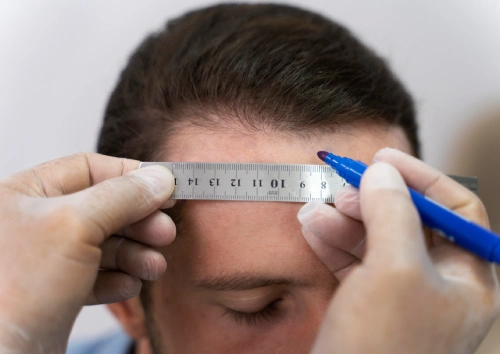
A proper graft calculation isn’t guesswork. It’s a medical and aesthetic plan based on:
- Your current hair loss pattern
- Donor area strength (density at the back of the scalp)
- Hair thickness and texture
- Future hair loss possibilities
- Desired hairline shape and density
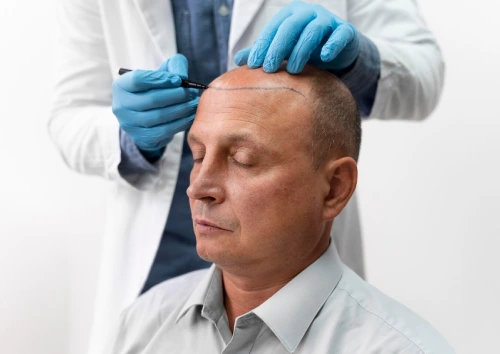
A trained hair transplant surgeon uses clinical knowledge to decide how many grafts you need, where they should go, and how they should be distributed to ensure a natural result that ages well.
This planning is the foundation of a successful transplant.
Why Graft Planning Matters
Accurate graft calculation affects:
- Density (how full your hair looks)
- Naturalness (especially the hairline)
- Donor management (so you don’t waste grafts)
- Long-term results (future procedures remain possible)
- Overall cost
A poorly calculated transplant — often rushed in technician-run setups — can lead to:
- Patchy growth
- Unnatural hairline
- Donor area depletion
- Needing corrective surgery
Good graft planning isn’t about doing maximum grafts.
It’s about doing the right grafts in the right way.
How Many Grafts Do People Usually Need?
A general idea (may vary per person):
| Hair Loss Area | Approx. Grafts Needed |
| Hairline | 800 – 1500 |
| Frontal Zone | 1500 – 2500 |
| Crown | 800 – 2000 |
| Full Coverage | 3000 – 5000+ |
Every scalp is different, so these numbers are just a guide — your doctor should calculate it after examining your hair closely.
Doctor-Led Transplants = Accurate Graft Planning
At Regrow by Derma Circles, graft calculation and placement are always done by doctors — not technicians.
Our surgeons measure:
- Donor density precisely
- Follicular grouping
- Hair angle and direction
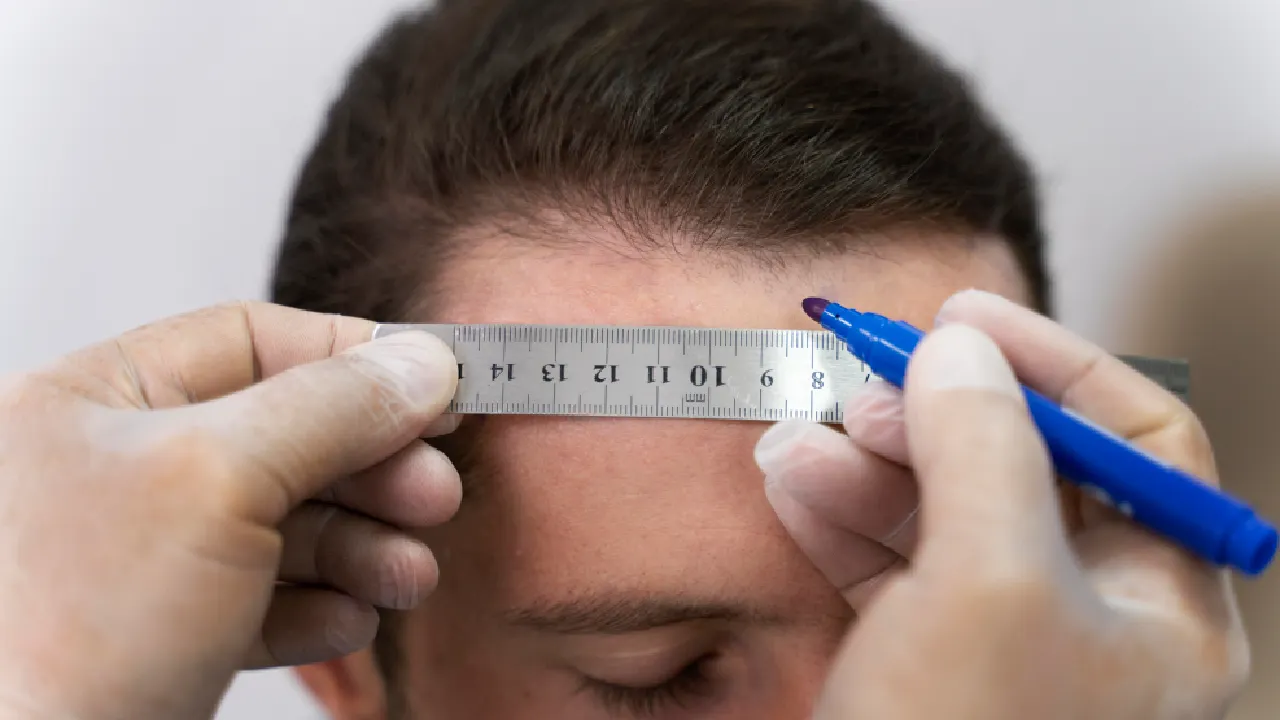
- Face proportions for the hairline
- Long-term hair preservation
This gives you natural density, correct distribution, and lasting results without overharvesting.
You deserve a result that looks effortless — not like it was “done.”
The Smart Way to Think About Grafts
Don’t ask:
“How many grafts can you give me?”
Ask:
“How many grafts are medically ideal for me?”
A thoughtful graft plan saves your donor area and gives a result you’ll appreciate every single day.
Ready to Understand Your Graft Requirement?
If you're planning a hair transplant and want to know your ideal graft count, you can book a consultation at Regrow by Derma Circles.
Our doctors examine your scalp, density, and goals to guide you — no assumptions, no shortcuts.
Good planning isn’t about more grafts.
It’s about the right grafts, placed correctly, by trained surgeons.